

What happens if you don't start with the technology, but with the question: What do we really need? - The answer is provided by a format that has already had an impact in several regions of Baden-Württemberg: the AI Challenge of the Baden-Württemberg AI Alliance.
A look behind the scenes.
Identifying needs instead of collecting technologies
Anyone talking about artificial intelligence quickly ends up talking about technologies, tools or platforms. But one of the most crucial questions is often overlooked: What problem is AI actually supposed to solve? This is exactly where the AI Challenge of the KI-Allianz Baden-Württemberg - with a change of perspective that starts with needs, bundles them and systematically develops tangible project ideas from them.
Whether in Stuttgart, Karlsruhe, Freiburg, Ostalbkreis or Neckar-Alb, the power of this approach is evident wherever the AI Challenge has already been implemented. It is not about technology for technology's sake - but about impact through clarity, structure and targeted exchange.
Many AI developments do not make the leap into sustainable and commercial use because the need, the business model and the project goals were not clarified at the beginning. We want to change this with the format of moderated, interdisciplinary AI challenges.
Dr.-Ing. Thomas Usländer, Business Developer AI Engineering and AI Challenge Project Manager, Fraunhofer IOSB
What is the AI Challenge?
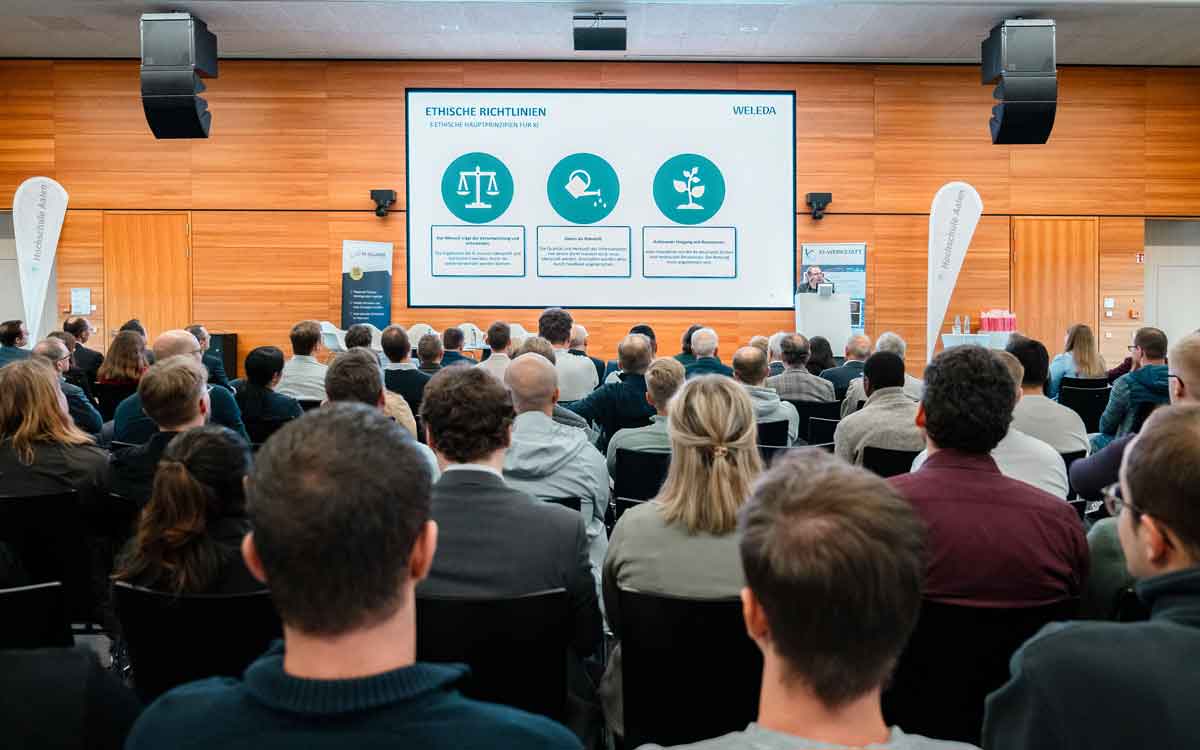
The AI Challenge is a multi-stage format that brings together organizations - companies, institutions, research facilities, municipalities, administrations and start-ups - to identify specific fields of application for artificial intelligence.
What makes it special: The introduction is based on real challenges faced by the participants. In a guided process, focused topics, project approaches and initial roadmaps for possible implementation emerge - practical, structured and tailored to the respective regional contexts.
The methodological basis for this is provided by Fraunhofer IOSB's AI engineering with the established approach PAISE®which specifically helps to develop viable concepts from ideas. The project is carried out in close cooperation between Fraunhofer IOSB and the AI Alliance team and its regional community managers.
Methodically identify AI application areas and develop potential for new business models.
- Bringing together experts from business, science and administration to define topics for regional AI applications
- Jointly discussing possible applications of AI technologies for interdisciplinary key topics
- Systematically define project roadmaps and identify new business models using proven AI engineering methods
- Building a regional AI ecosystem including the AI data platform

How the format works
The AI Challenge is not a competition, but a moderated process with a clear objective: an initial need is to be turned into a concrete implementation option.
The format is divided into several phases:
- Kick-off workshop: Stakeholders from business, science, local authorities and civil society come together to discuss and evaluate specific challenges.
- Topic creation & matching: Structured discussions and methods from AI engineering are used to create prioritized topic strands.
- Project roadmapping: Selected requirements are developed further together - right up to the description of a possible AI project in the form of project profiles.

Five regions, six themes - insights into the AI Challenges
The AI challenges were as varied as the regions themselves. From sustainability and production to the optimization of events with AI and the topic of urban development, everything is included.
- Stuttgart - Green AI: Living in a changing climate
The challenge in the Stuttgart region focused on the question of how artificial intelligence can help to actively counter the effects of climate change. The interdisciplinary discussion identified data-based approaches that can help cities, companies and public institutions to act more resiliently and sustainably - for example through intelligent environmental analyses, forecasting models or smart energy planning.
- Karlsruhe - Smart Eco-Events
A specific use case was discussed in Ettlingen: the economic and organizational optimization of events with the help of AI. Together with experts from business and science, a project approach was developed that should make it possible to plan events more sustainably, efficiently and based on data. The focus was on sustainability targets with the dimensions of ecology, economy and social issues (e.g. inclusion).
- Freiburg - Smart use of resources in production & urban development
The challenge in the Freiburg region addressed topics relating to the use of AI in production processes and urban development. It dealt with sustainable resource planning, predictive maintenance and the intelligent use of existing infrastructures. There was a particular focus on knowledge transfer between research institutions and companies as well as the question of how data can be used responsibly.
- Ostalbkreis - AI in regional value creation
In Ostalbkreis, the focus was on the question of how regional companies can tap into new potential with the help of AI - for example in logistics, quality assurance or in dealing with the shortage of skilled workers. The challenge brought together a wide range of stakeholders to define specific interfaces between requirements and technological feasibility.
- Neckar-Alb - AI in the textile industry
In the Neckar-Alb region, the AI Challenge on November 24 will focus on the needs of the textile and clothing industry, which has strong regional roots. Possible applications in production control, quality inspection and data-driven sustainability strategies will be discussed.
- Karlsruhe - AI in the construction industry
On December 8, 2025, the focus at the Fraunhofer IOSB Karlsruhe will be on the construction industry. The AI Challenge will discuss how artificial intelligence can contribute to greater efficiency, sustainability and a reduction in the number of skilled workers - for example through digital assistance systems, AI-supported construction process planning or the circular economy in material recycling. The participants will work together to develop practical project ideas and apply AI engineering methods directly.

Why the AI Challenge works
The greatest added value of the AI Challenge lies in its structure - and at the same time in its openness. Participants gain clarity about their own needs, discover new perspectives through the interdisciplinary exchange and receive methodological support to take the next step.
We don't start with the solution, but with the need. The AI Challenge brings the right players together - and thus creates the basis for meaningful, feasible projects.
Sandra Rohner, KI-Allianz Baden-Württemberg
Many of the projects initiated by the AI Challenge are entering the next phase - whether in cooperation projects, pilot applications or as the basis for funding projects. And even where there is no immediate implementation, the gain in knowledge remains: What is possible - and what does it take?
Conclusion: Recognizing needs, networking knowledge, developing impact
The AI Challenge is not a one-off event - it is a signpost. For organizations that want to get to grips with artificial intelligence but don't know where to start. For networks that want to make an impact. And for regions that want to show what transformation can look like in concrete terms.
Further information, dates and participation options can be found at: www.ki-allianz.de/ki-challenge
Impressions of previous kick-off events and workshops
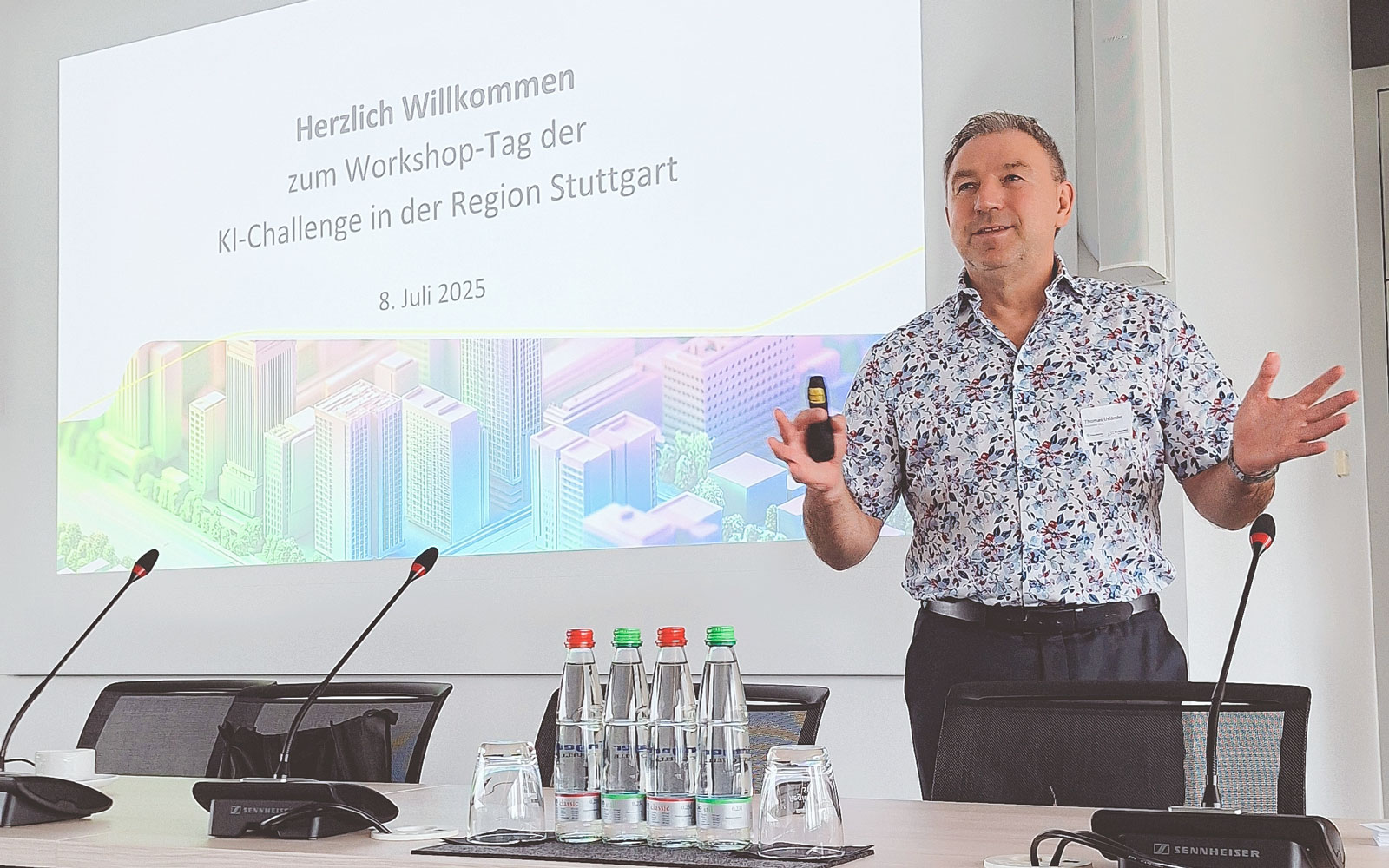
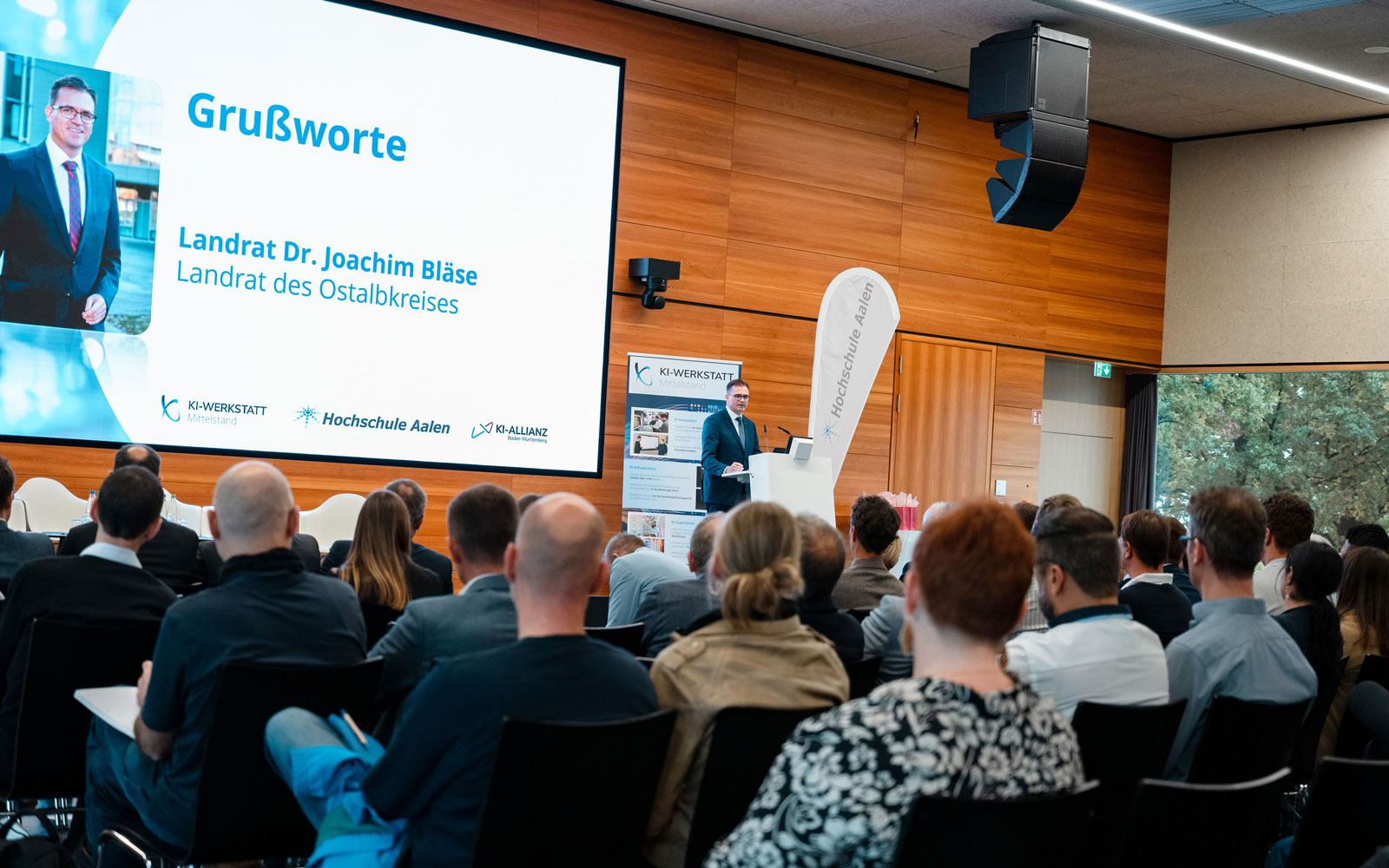

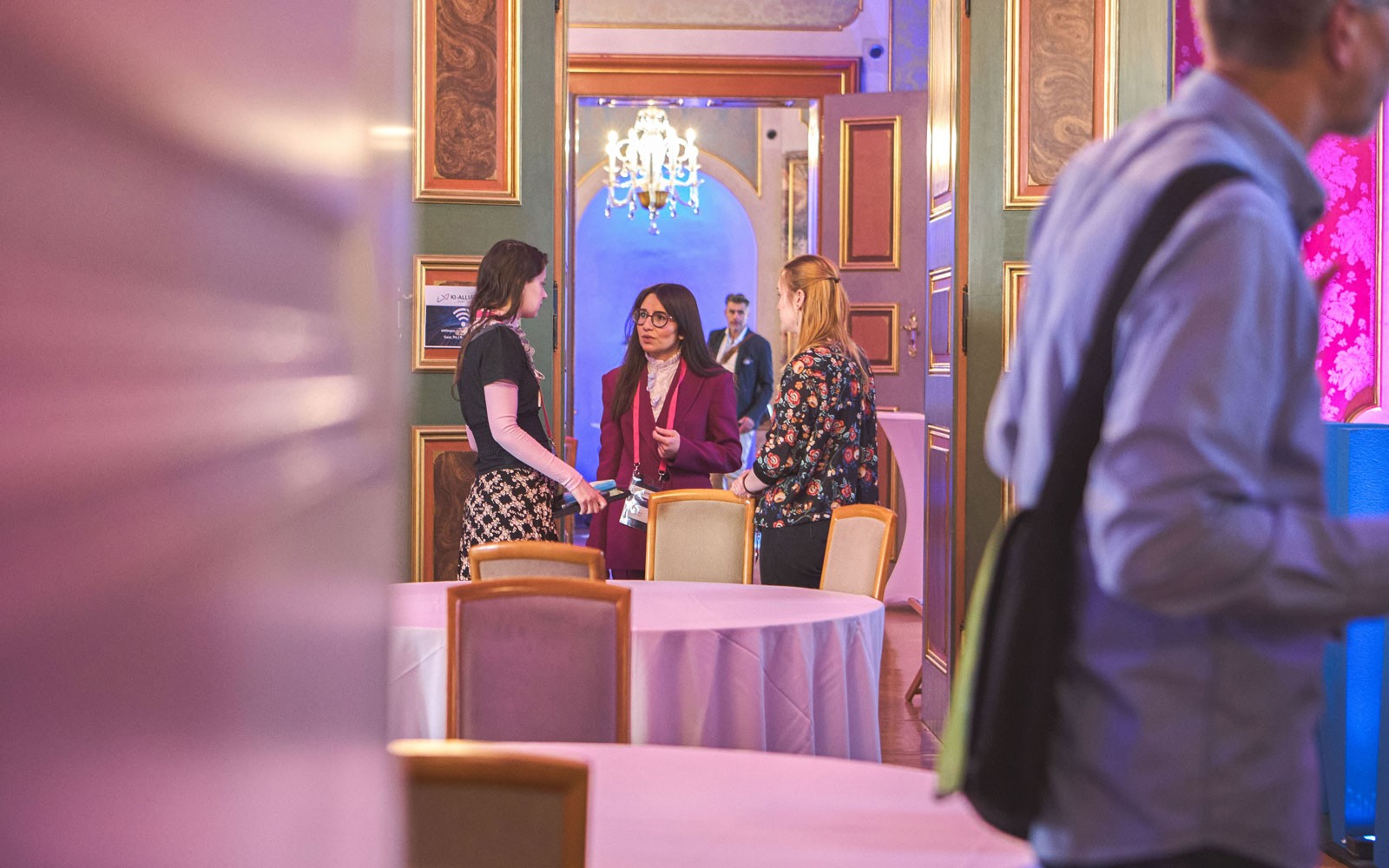
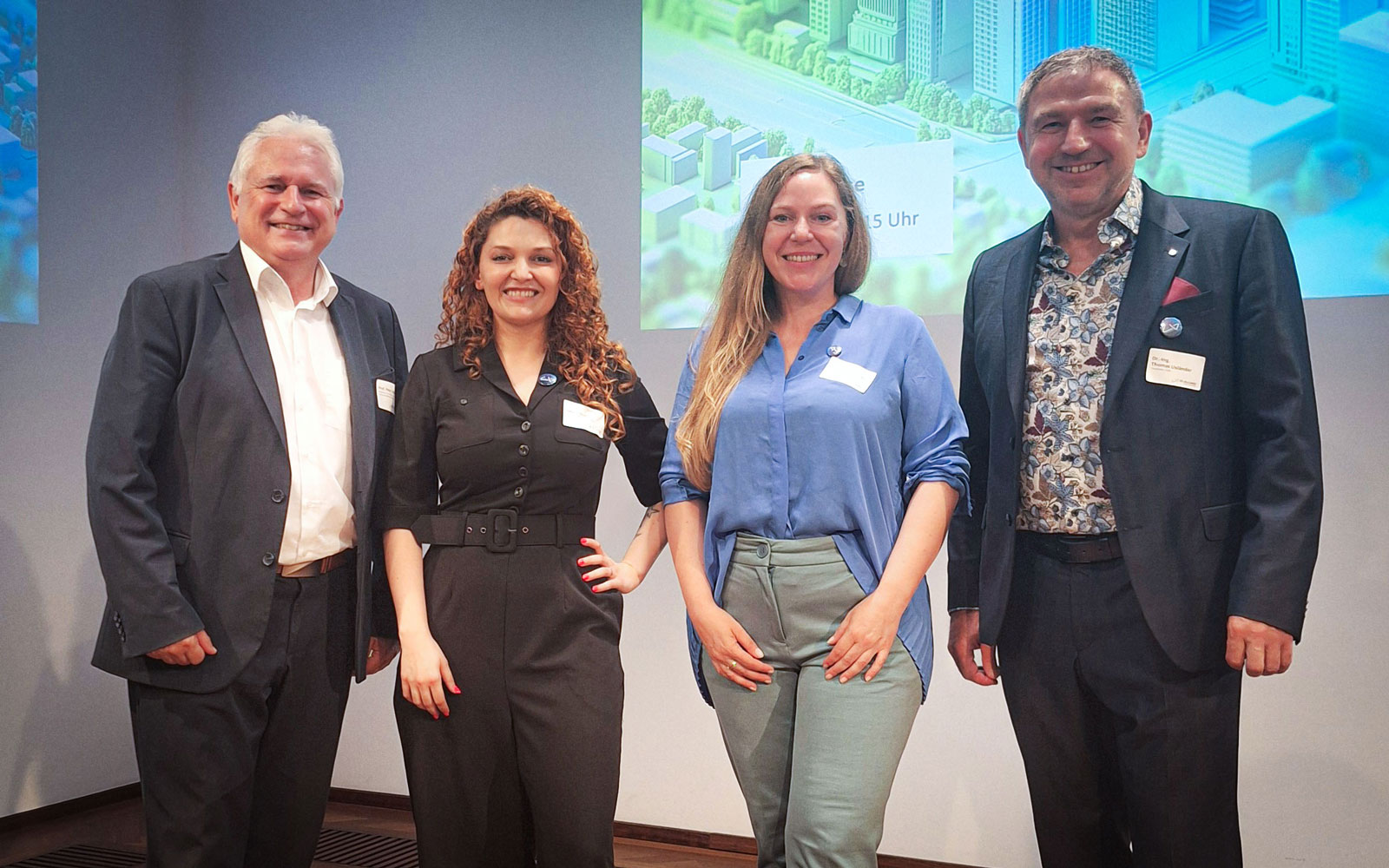

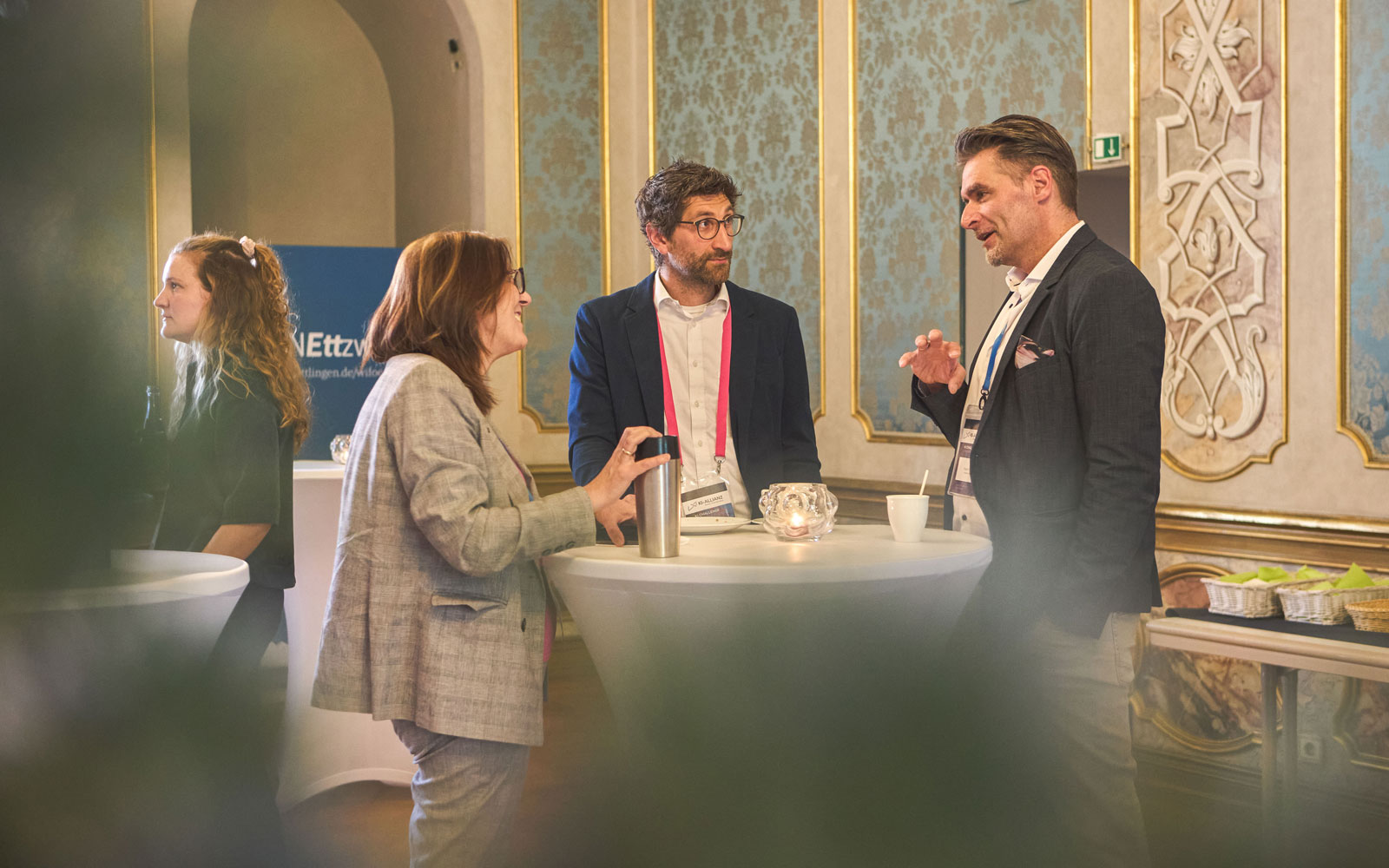
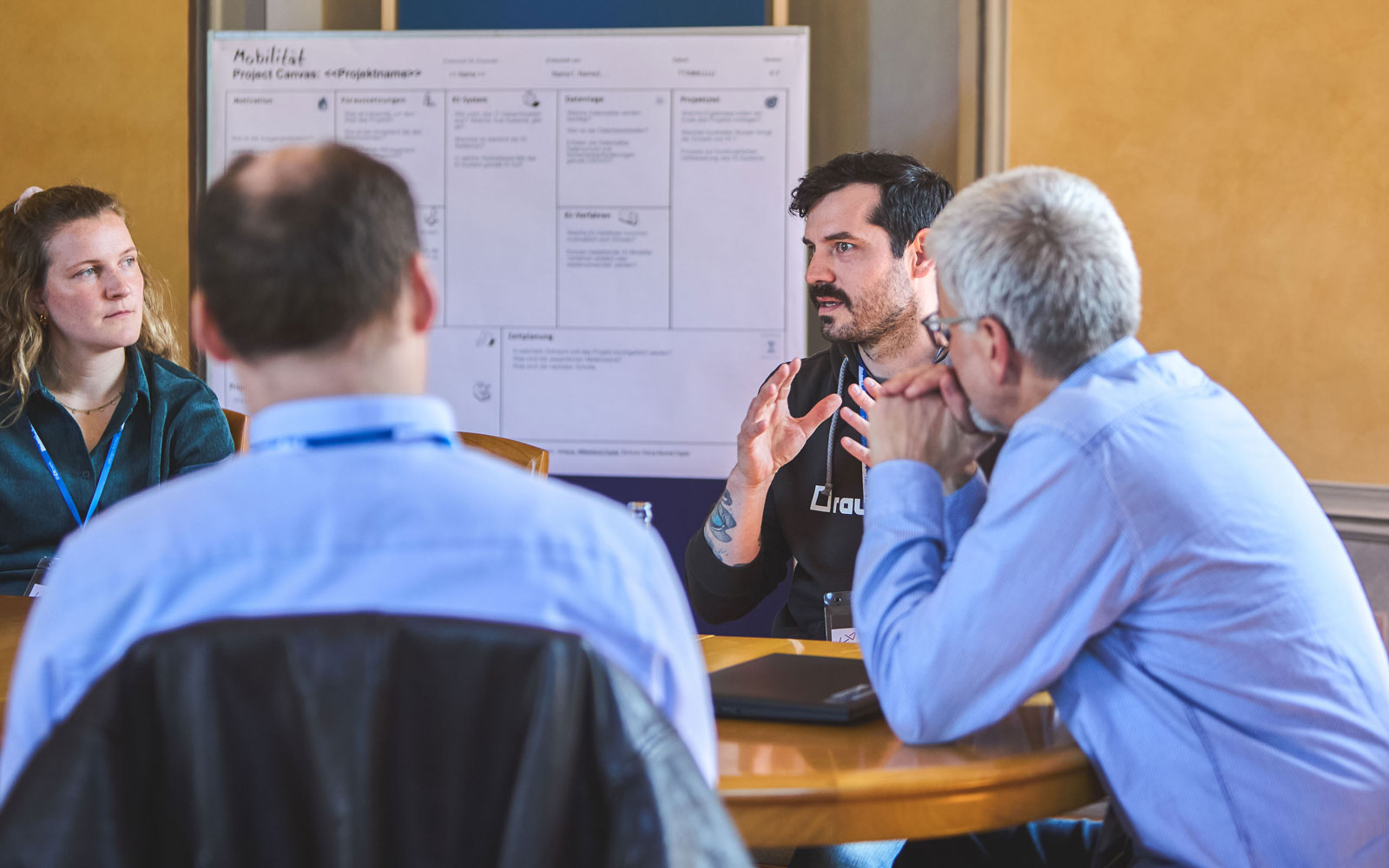
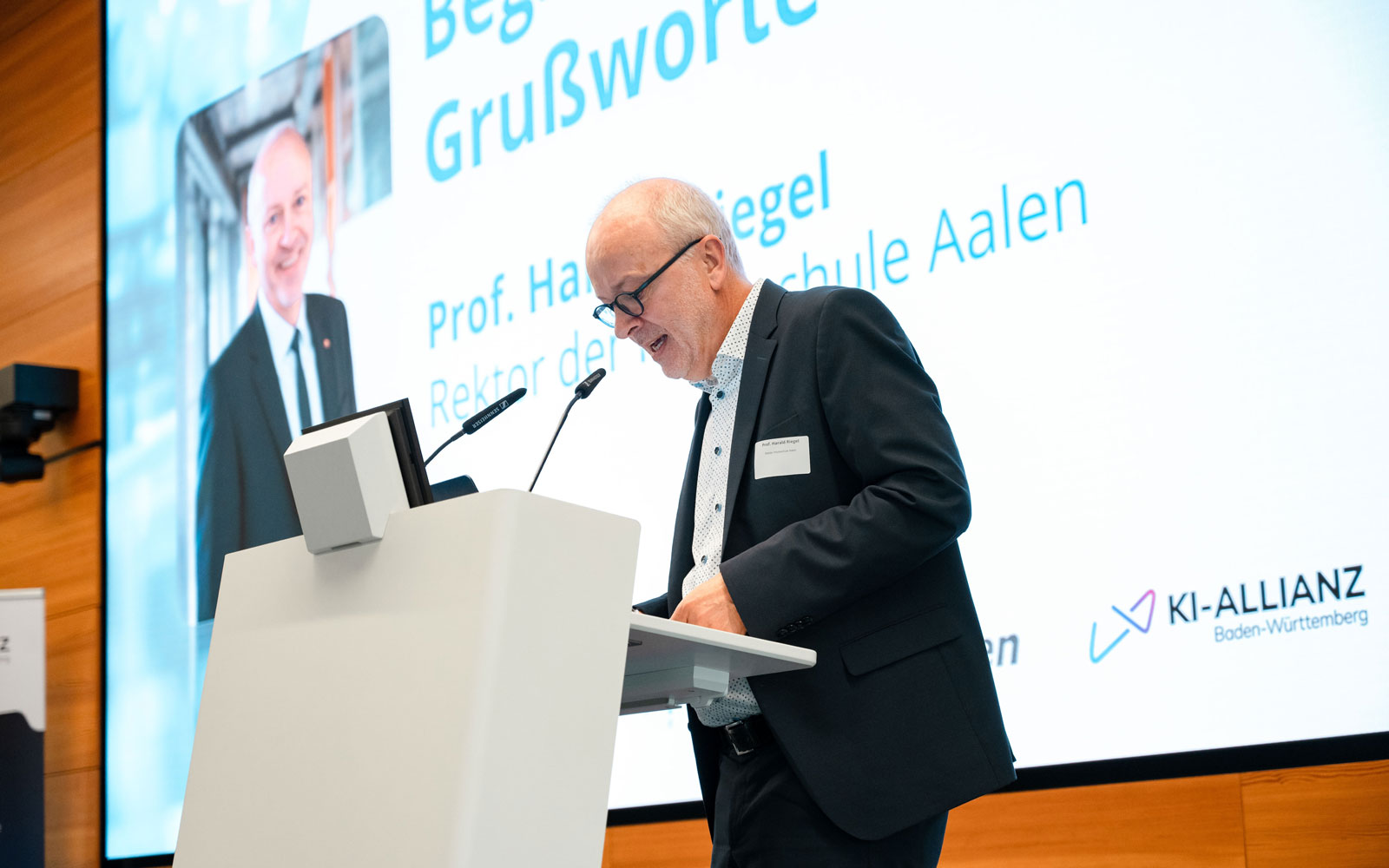
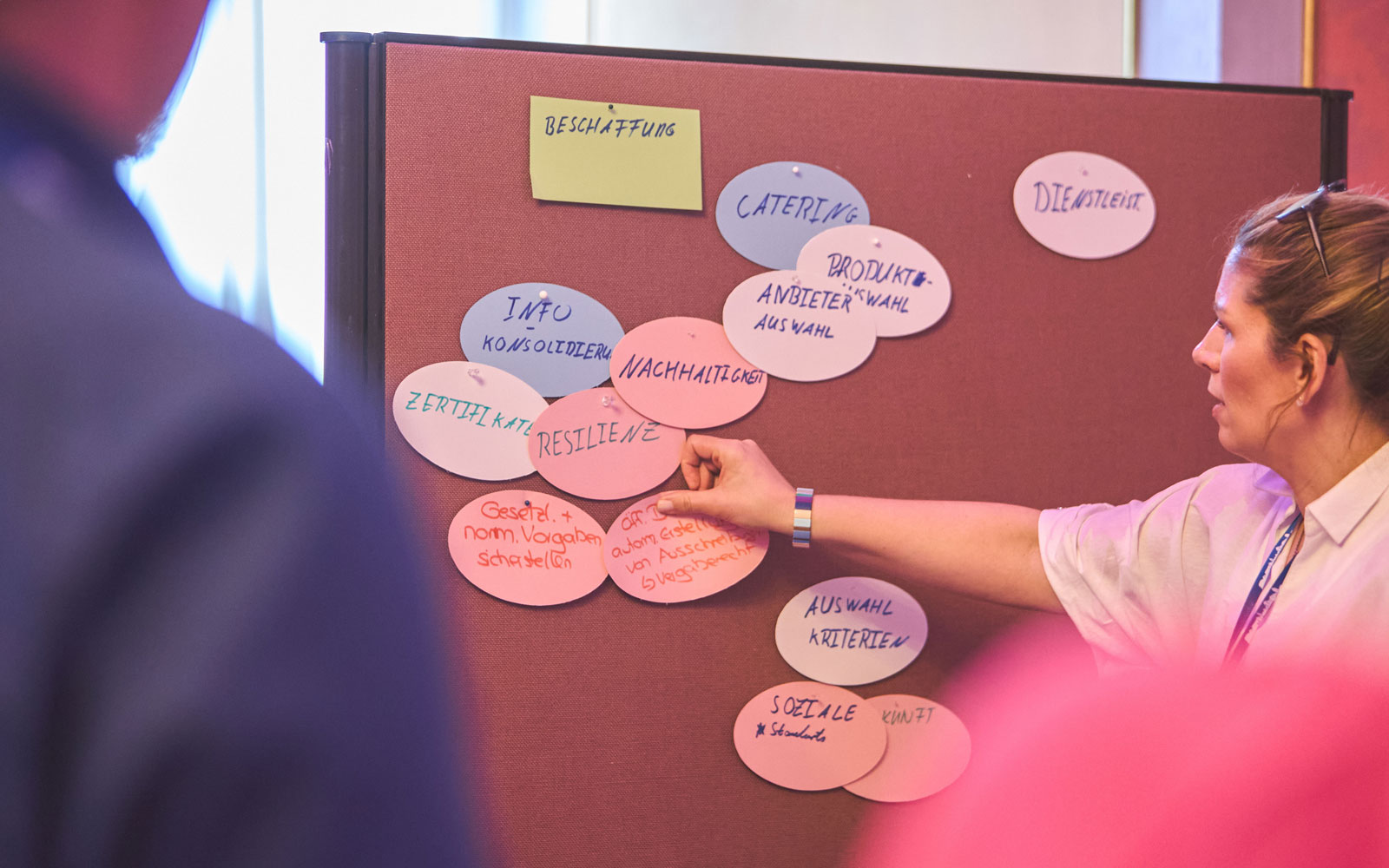


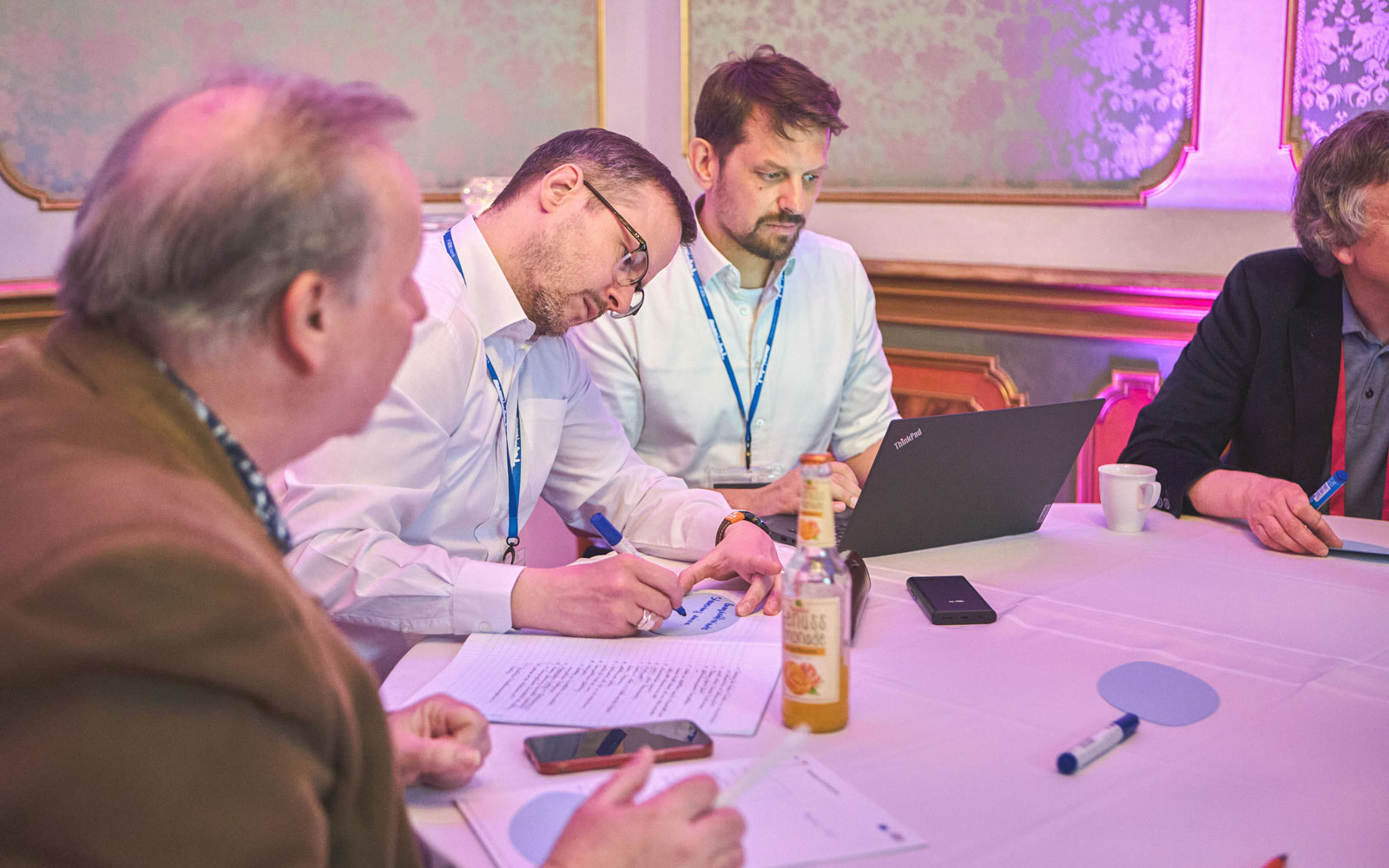
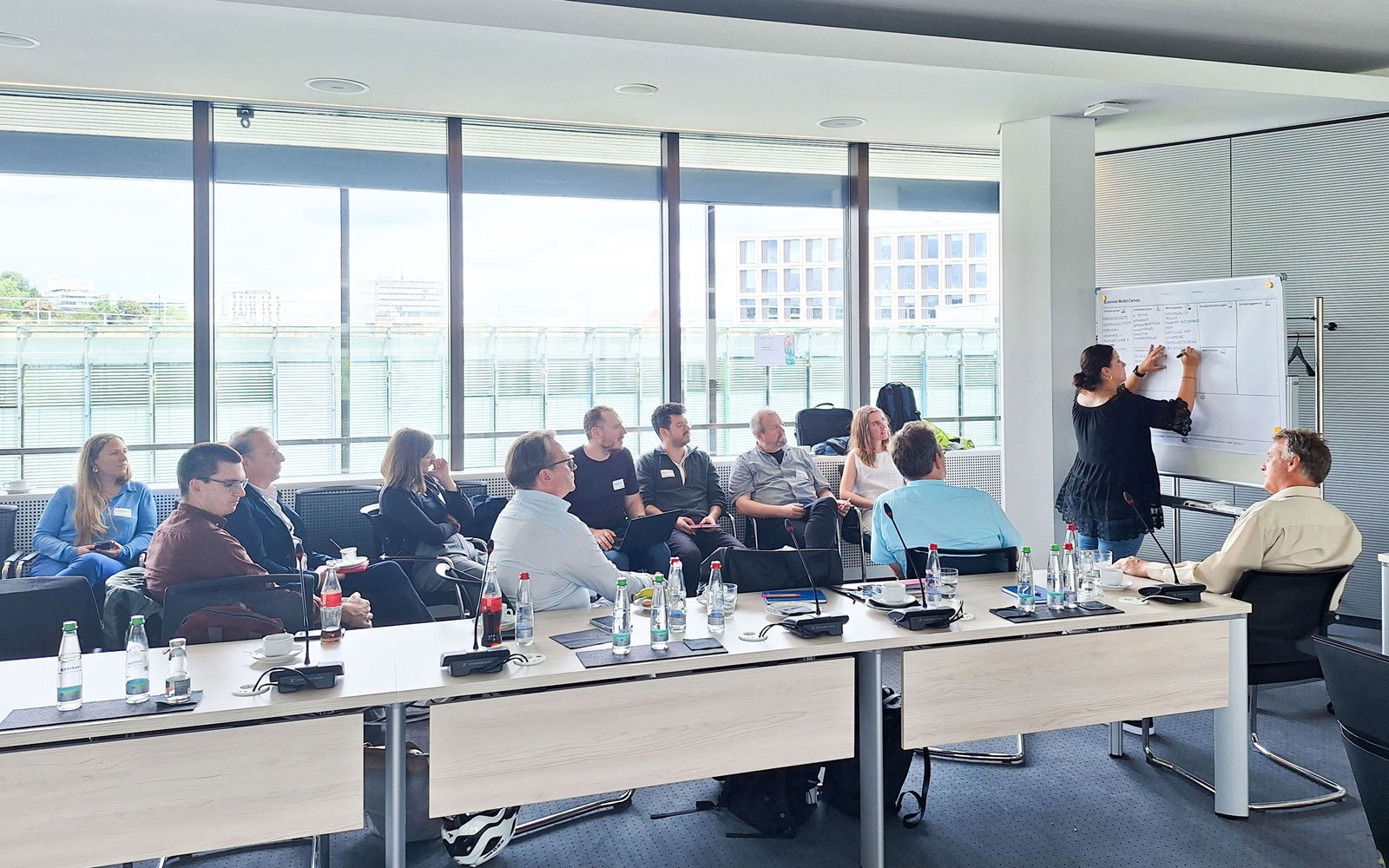


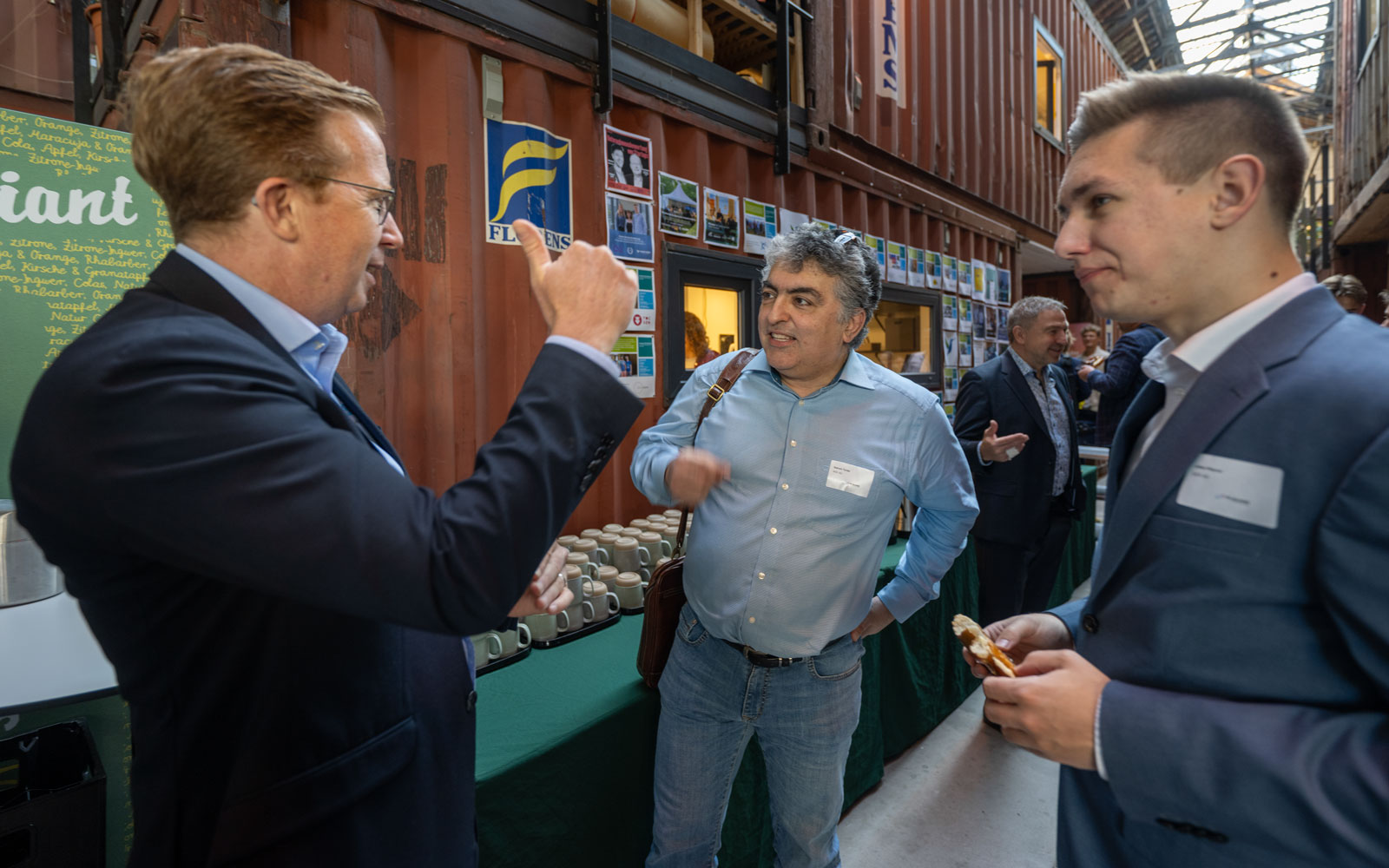

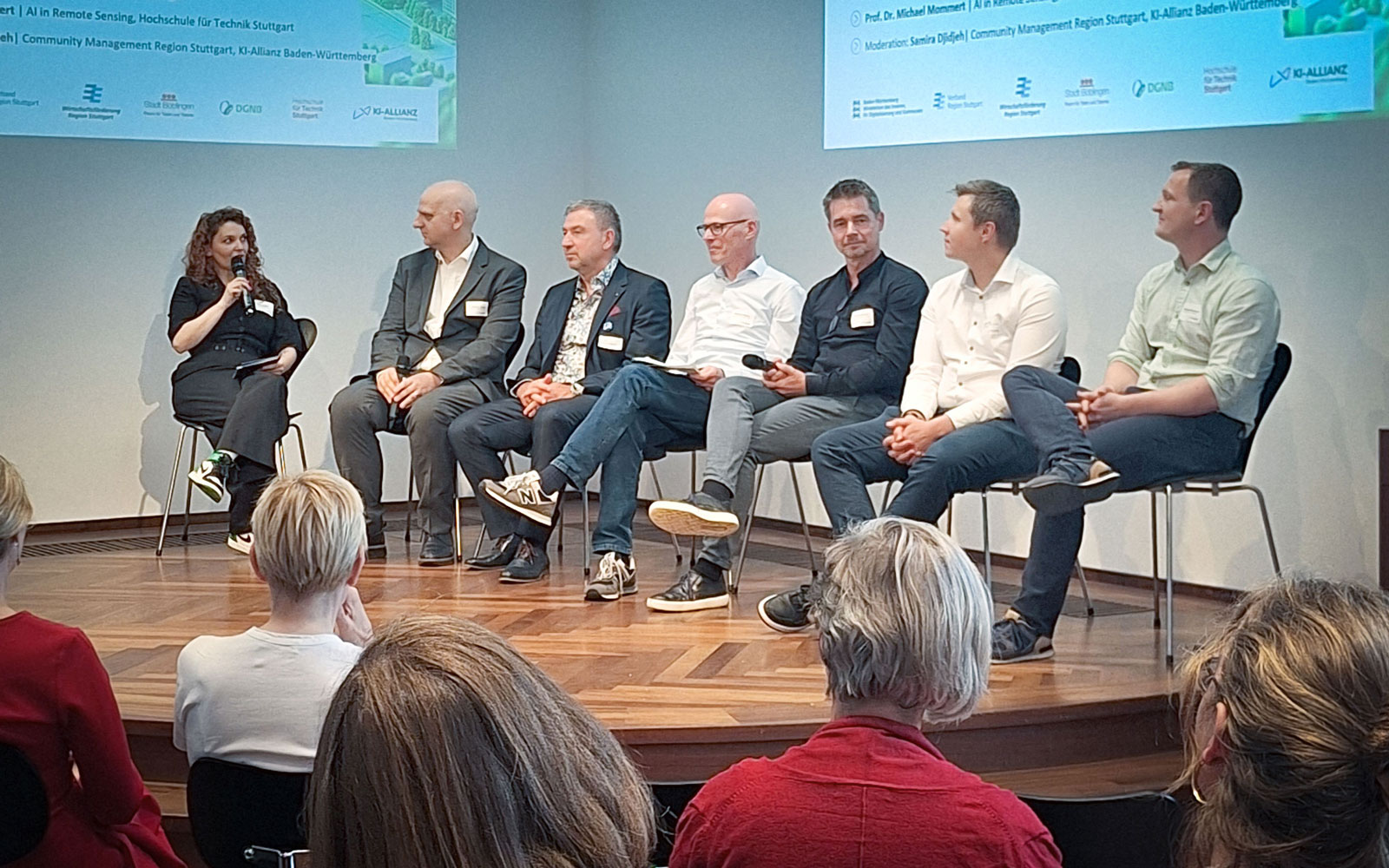
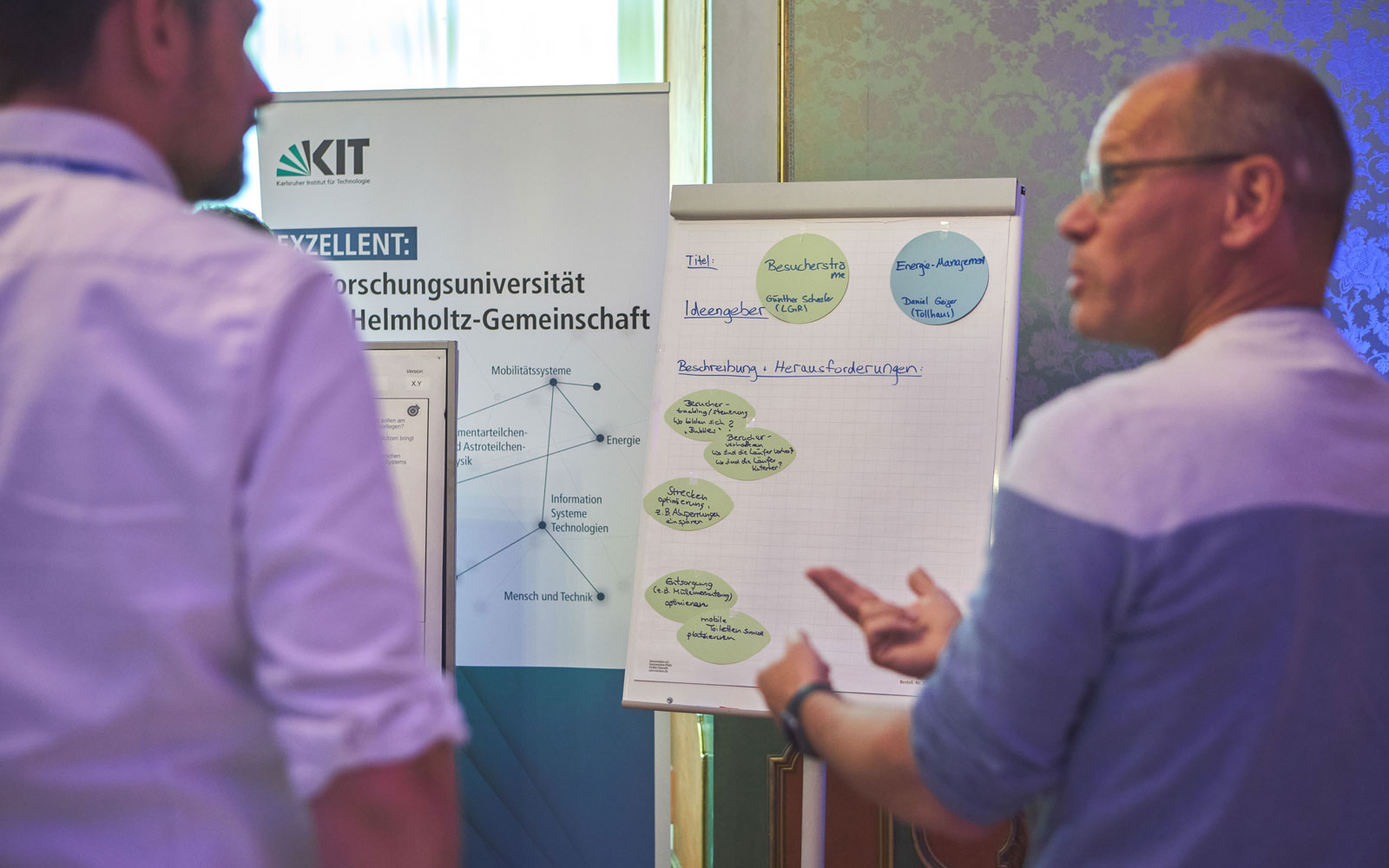

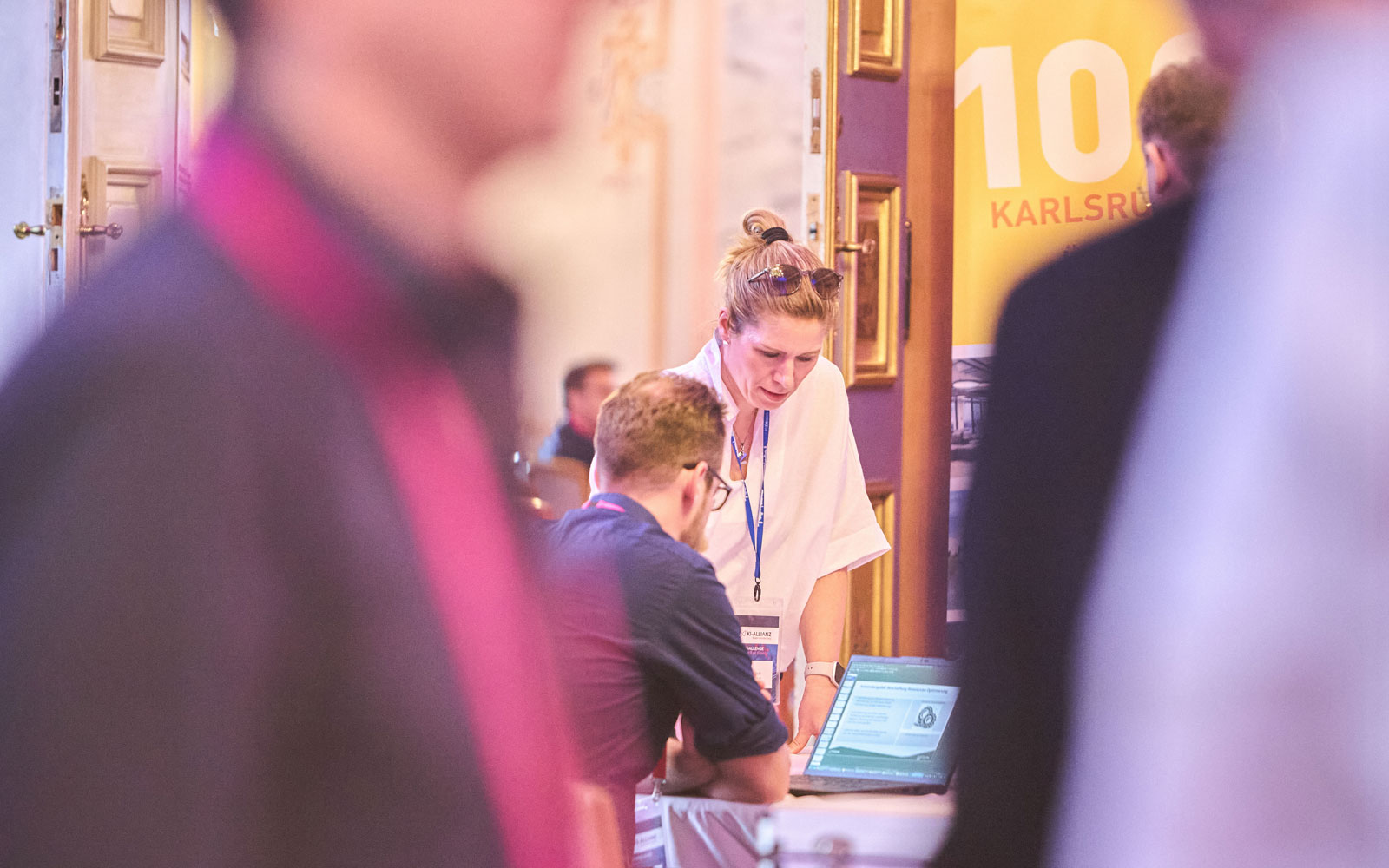

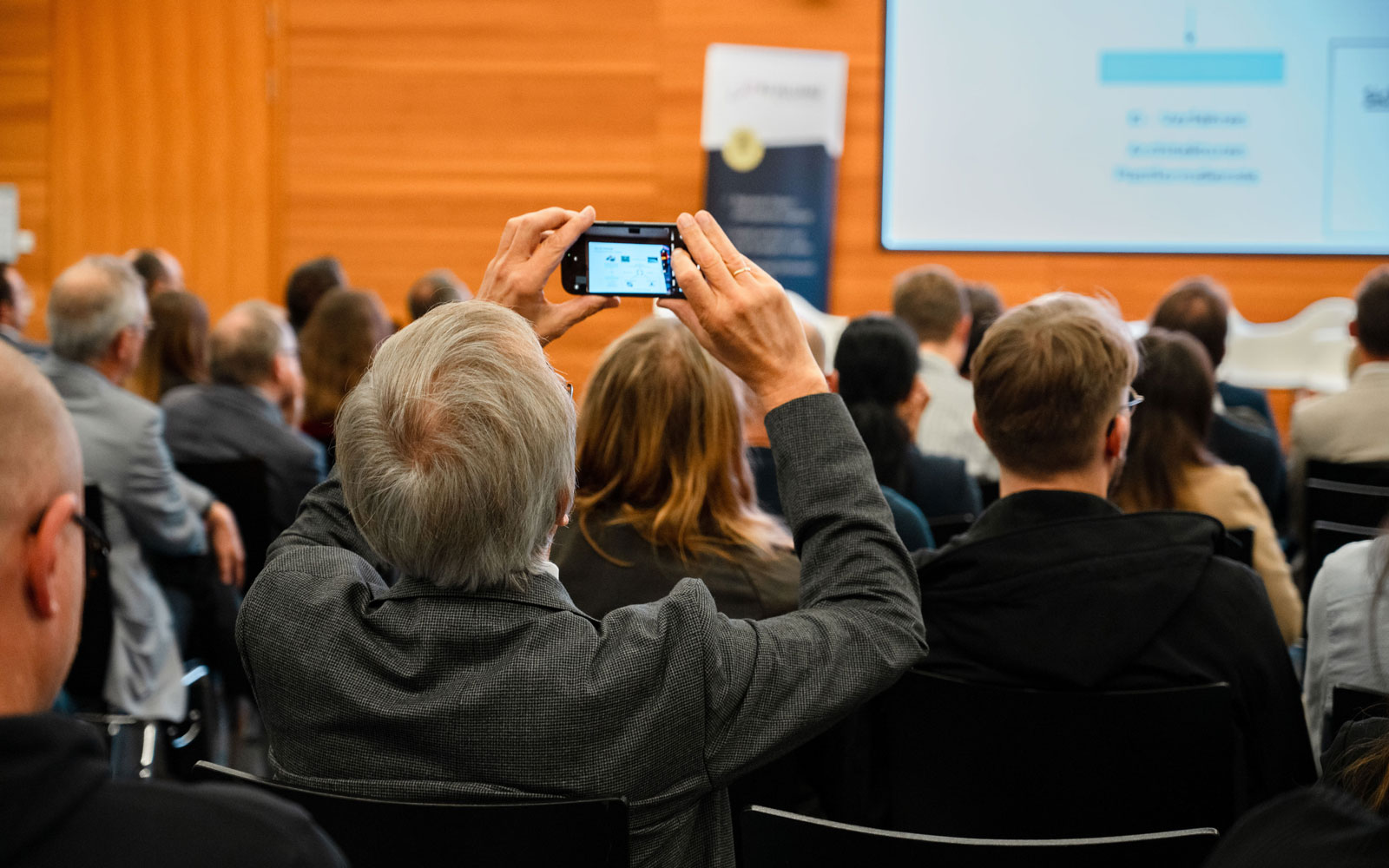
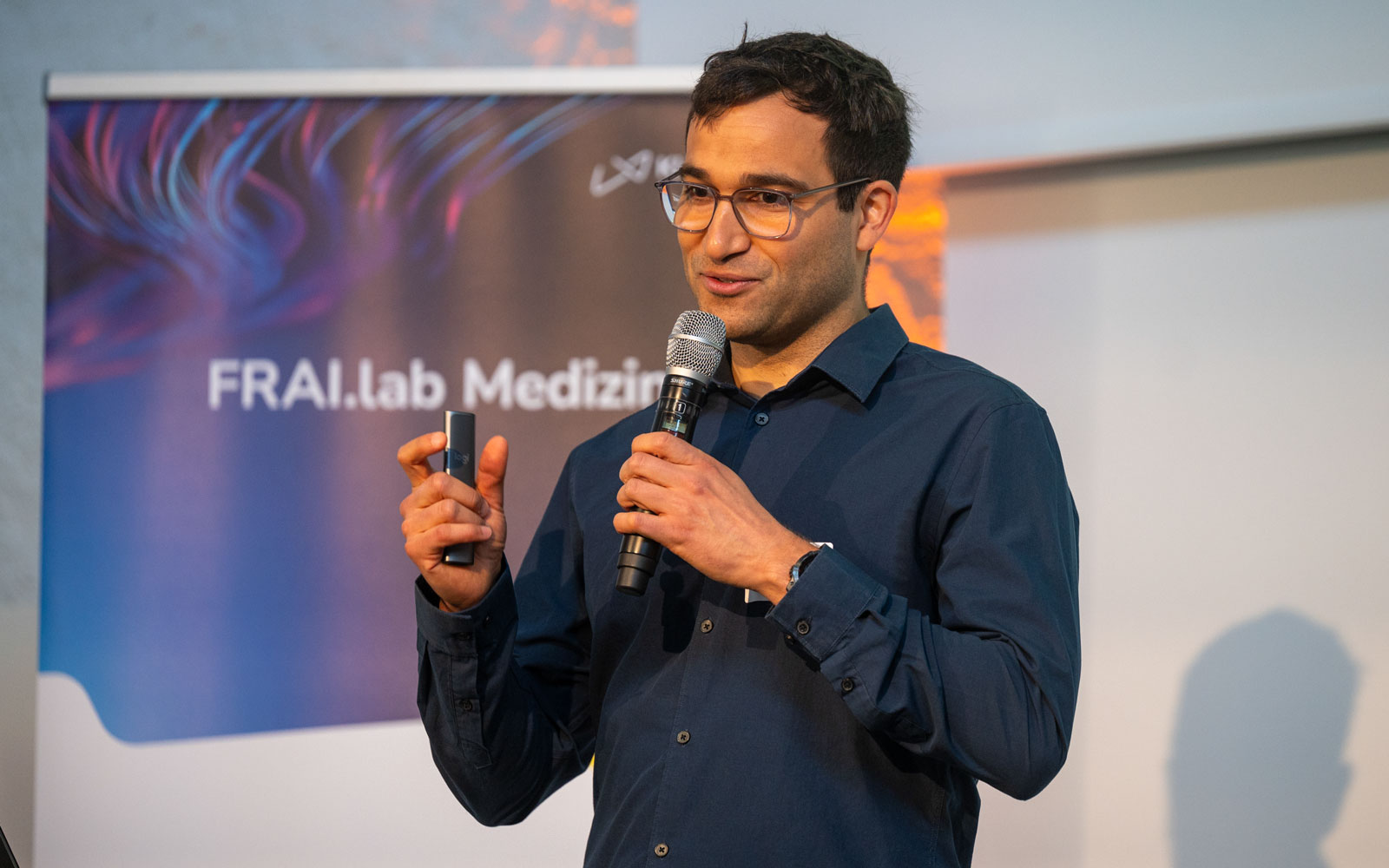
Image sources and photo credits:
KI-Challenge Karlsruhe: Rabea Strauch, KI-Challenge Ostalbkreis: Corner Designstudio | Justin Wild, KI-Challenge Stuttgart: to be submitted later, KI-Challenge Freiburg: Patrick Seeger (City of Freiburg)